A hand-drawn golden lotus flower with layered petals outlined in dark ink, centered on a textured charcoal-black background. the petals are filled with warm ochre and gold tones and detailed with fine line marks and dotted accents. Above the flower is handwritten-style gold text reading “Build your sanctuary of the finesse in you.” This artwork is titled “Be Your Own Sanctuary” and created by Canvas & Quotations (Monika Chugh and Alka Chopra)
You drift first into the darkness of the background — a deep charcoal field with uneven texture, like pigment worked repeatedly into canvas until it absorbs light rather than reflects it. The surface is not flat; faint streaks and soft variations suggest brush drag and pressure, giving the darkness weight and depth. It feels quiet, grounded, and intentional, like a space cleared not for emptiness, but for focus.
The words hover above the flower in warm gold, their tone immediately softer than the background. The lettering is hand-rendered, slightly irregular, with gentle curves and modest spacing that allow each word to breathe. The sentence sits calmly, neither commanding nor decorative, its warmth held in contrast against the dark field. On denim, this gold text would lift subtly on the twill ridges, catching light before the surrounding darkness responds. It matters because the message feels offered, not imposed.
Below the text, the lotus opens.
The flower is centered and symmetrical, its form built from layered petals that radiate outward in measured balance. Each petal is outlined in dark ink, the lines thickening slightly at curves and thinning toward tips, revealing the pressure of the artist’s hand. Inside the petals, fine vertical strokes and dotted accents trace the length of each shape, guiding the eye inward toward the center. The gold fill is not uniform — it varies from warm ochre to deeper amber, with subtle grain visible beneath the pigment. On denim, these interior textures would sink into the weave while the outlines remain crisp, giving the lotus structure without rigidity. It matters because the flower feels contained and deliberate, not ornamental.
At the heart of the lotus, the central form is tightly held. Small circular marks cluster together, suggesting depth and inward focus rather than bloom at its widest point. The inner petals remain partially folded, signaling restraint and care — a sanctuary built from intention, not excess. The symmetry is calm rather than exacting; small variations in line and fill prevent the image from feeling mechanical.
A shift in mood happens when you take in the relationship between light and dark. The gold of the lotus does not fight the black background — it rests within it. The contrast is strong, but not aggressive. The darkness holds the light, framing it, allowing it to exist without spilling outward. This balance is the emotional core of the piece.
There are no additional elements competing for attention. No background pattern. No secondary symbols. The composition is reduced to message and form, flower and field. That restraint gives the image authority.
On stonewashed denim, the charcoal background softens into smoky gray, its texture blooming gently into the worn grain. The gold petals mellow and spread slightly, becoming warmer and more organic, while the dark outlines stay readable. The lotus feels older here, like a symbol revisited many times. The emotional tone shifts toward patience and self-trust.
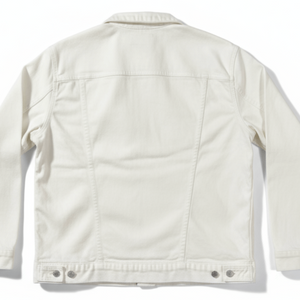
On white denim, clarity takes hold. The gold petals sharpen, the linework becomes highly legible, and the contrast between light and dark intensifies. The text reads cleanly at distance, and the lotus feels like a declaration — sanctuary named and claimed. This clarity matters because it frames the message as present action rather than reflection.
On black denim, the artwork becomes intimate and reverent. The background nearly disappears into the base, while the lotus glows forward, its gold deepening into a burnished warmth. The text feels closer, quieter, almost whispered. As the fabric moves, highlights along petal edges appear and recede, making the lotus feel alive and held.
In every version, the truth remains embodied rather than explained: a sanctuary built inwardly — structured, intentional, and warm — held steady inside the dark, and refined by care rather than force.