A dark charcoal and black patterned background filled with repeating lotus-like floral silhouettes. at the center is an irregular cream-colored painted rectangle with rough brush edges containing black serif text that reads “Embrace yourself in the most crowded spaces.” Delicate gold botanical stems with small leaves overlay parts of the composition diagonally. This artwork is titled “Be Yourself” and created by Canvas & Quotations (Monika Chugh and Alka Chopra)
You drift first into the density of the background — a field of overlapping lotus silhouettes pressed close together, their petal shapes repeating in charcoal, ink black, and smoky gray. Some forms are sharply defined, others softened where pigment has bled or thinned, creating a layered, crowded rhythm. The surface feels compressed, as if many impressions have been made in the same space without erasing what came before.
At the center, the crowd breaks open.
A cream-colored rectangle interrupts the darkness, its edges torn and uneven, marked by dry-brush texture and scattered flecks where black pigment intrudes. This is not a clean window; it is a claimed space. The text sits calmly within it, evenly spaced and centered, reading exactly:
“Embrace yourself in the most crowded spaces.”
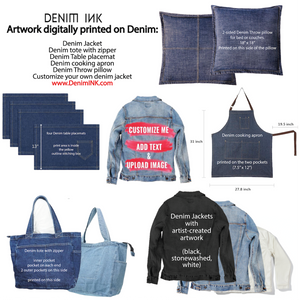
The type is restrained and steady, neither decorative nor forceful. The words feel placed, not imposed. On denim, this pale center would hold its shape while the surrounding pattern shifts and absorbs light, reinforcing the feeling of steadiness held inside pressure. It matters because the space feels protected, not isolated.
Gold botanical elements move diagonally across the composition like quiet counterpoints. Thin stems curve gently, supporting small leaves brushed in warm metallic gold. These lines are delicate compared to the heavy background, but they do not disappear — they glide through the crowd, catching light where the darker pigments do not. On fabric, the gold would lift first along the twill ridges, appearing and fading with motion. These accents matter because they introduce gentleness without requiring emptiness.
A shift in mood happens when you notice how close everything remains. The dark lotus forms press right up to the cream field. The gold leaves do not avoid the text; they approach it, pass near it, coexist with it. The message is not about escape. It is about presence — remaining whole without asking the world to thin out first.
The lotus pattern reinforces this truth. Petals repeat endlessly, some cropped by the edges of the frame, others partially visible, implying continuation beyond what you can see. On denim, the darkest ink would sink deeply into the weave, while lighter charcoal areas would catch texture, turning the background into something tactile — not just seen, but felt. The crowd becomes physical.
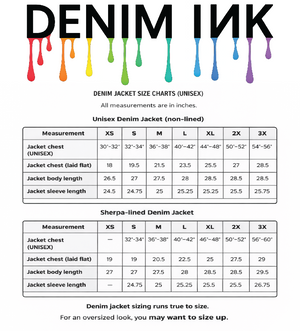
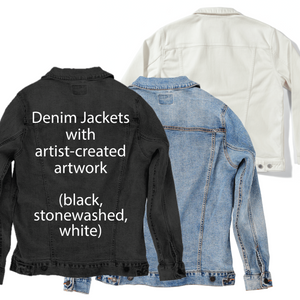
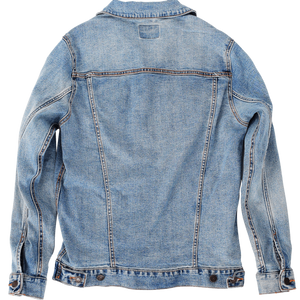
On stonewashed denim, the blacks soften into smoke and ash. The lotus pattern blurs slightly, becoming more atmospheric, while the cream center warms and spreads gently. The gold stems mellow into subtle highlights embedded in cloth. The emotional tone shifts toward compassion and endurance — self-embrace practiced over time.
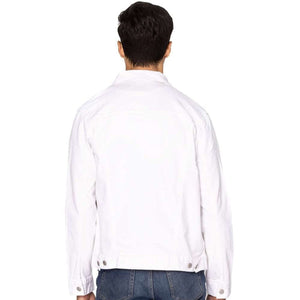
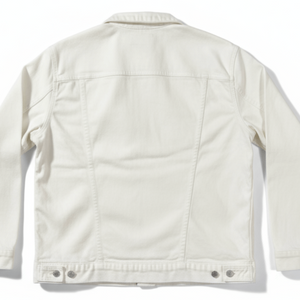
On white denim, clarity takes hold. The contrast sharpens, the text becomes instantly legible, and individual lotus shapes separate more distinctly. The gold accents read as intentional gestures rather than whispers. This clarity matters because it frames the message as an active choice made in the open.
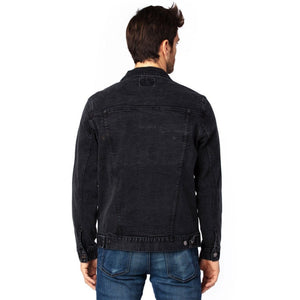
On black denim, the background nearly merges with the base, allowing the cream center and gold leaves to emerge with intimacy. The text feels closer, quieter, almost whispered. As the fabric moves, parts of the lotus pattern surface and recede, mirroring the experience of moving through crowded spaces while holding your center.
In every version, the meaning remains embodied rather than explained: selfhood held gently within density, space created without pushing anything away, and presence chosen even when surrounded.