A
close-cropped painted scene showing a bride and groom from the shoulders down,
standing side by side. The bride wears a white lace dress with visible textured
brushstrokes and a bouquet of white flowers held at center. the groom wears a
dark suit with a white shirt and bow tie. skin tones, fabric, and florals are
rendered in expressive strokes of pink, lavender, cream, black, and muted brown
against a painterly background. This artwork is titled “Bride and Groom” and
created by Paige Flotterud
You
drift first into proximity. The figures are cropped tightly, eliminating faces
and surroundings, forcing attention onto fabric, gesture, and closeness. The
bride stands on the left, her shoulder bare, skin rendered in layered peach and
rose strokes that remain warm and human rather than polished. The groom
occupies the right, his dark suit built from deep blacks and purples, pressed
close enough that the two figures visually overlap. There is no space between
them that feels empty.
Your
eye settles on the textures that define each role. The bride’s dress is a
constellation of short, energetic strokes — whites, pale pinks, and lavender
marks layered thickly to suggest lace without ever describing it literally. The
fabric feels soft but active, alive with motion frozen mid-touch. At the
center, the bouquet gathers these same whites into sharper, flickering strokes,
petals suggested by direction and density rather than shape. The flowers feel
bright and tactile, a focal point created by contrast rather than scale.
A
shift in feeling happens as the groom’s structure asserts itself. His suit is
angular and contained, brushstrokes longer and darker, moving vertically and
diagonally with restraint. The white shirt and bow tie emerge in broken strokes
of cream and pale gray, crisp but imperfect. His hand rests near the bouquet,
painted with warm browns and mauves, anchoring the composition emotionally. The
figures do not pose — they hold. The emotional pulse is intimacy through
closeness, ceremony expressed through touch rather than spectacle.
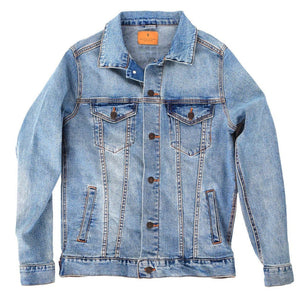
On
stonewashed denim, the whites soften first. Pigment sinks into the worn twill,
blurring the lace-like strokes of the dress and merging the bouquet into a
velvety mass of pale texture. The bride’s skin tones warm and mellow, losing
sharp separation between highlights and shadow. Emotionally, the scene shifts
toward memory — a moment recalled rather than witnessed.
The
groom’s dark suit on stonewash loses edge definition, its blacks diffusing into
charcoal and plum tones. The contrast between the two figures eases, and their
forms feel more unified. The bouquet becomes less a focal object and more a
shared presence between them. The overall mood becomes gentle and reflective.
As
a whole, the artwork on stonewashed denim feels tender and lived-in. The moment
stretches. The emotional tone shifts toward nostalgia and continuity —
commitment remembered softly, carried forward with warmth rather than
precision.
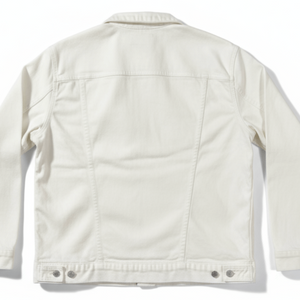
On
white denim, clarity takes control immediately. The bride’s dress regains
structure, each lace-like stroke readable again, crisp and expressive. The
bouquet separates into individual petal gestures, and the whites feel bright
without becoming cold. Emotionally, the scene feels present and ceremonial.
The
groom’s suit sharpens on white denim. Dark strokes define lapels and folds
clearly, and the white shirt and bow tie assert their contrast. The figures
feel distinct yet balanced, their closeness intentional rather than blended.
The painterly texture reads as deliberate, confident, and alive.
Overall,
the artwork on white denim feels celebratory and composed. The emotional shift
is toward clarity and affirmation — a moment marked clearly, held in full light
without losing intimacy.
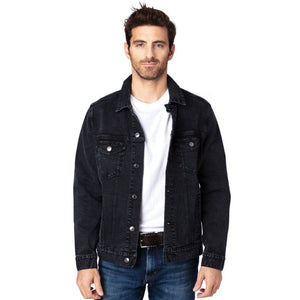
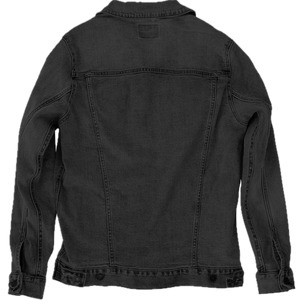
On
black denim, the composition compresses into intensity. The groom’s suit blends
into the dark base, allowing highlights and edges to emerge selectively. The
bride’s dress and bouquet glow against the darkness, their whites becoming
luminous points of focus. Emotionally, the image feels close and private.
The
bouquet on black denim becomes the brightest element, drawing the eye directly
to the shared center between the figures. Skin tones deepen and warm, and the
background recedes almost entirely. The figures feel enclosed together,
protected by shadow rather than exposed.
As a whole, the artwork on black denim feels intimate
and powerful. The ceremony becomes inward-facing — less about display, more
about bond. The emotional tone shifts toward depth and commitment, closeness
held quietly and firmly against the dark