iIlustration of two horses set
before an ornate brown Celtic knot mandala in smoky bronze earth tones. the
circular knotwork weaves three stylized
horse figures from continuous over-and-under bands and triquetra-like sections.
in the foreground, a large dark brown horse with a flowing black mane dominates
one side, while a smaller black-and-white pinto horse trots through swirling
dust and spark-like splatter. this artwork is titled “Celtic Horse” and created
by artist Brigid Ashwood
You
drift first into the weight of the mane—black strands falling in thick,
wind-swept layers over the right side of the image, as if the air has just
moved through them. The large horse head emerges from shadowed brown, the face
turned slightly inward, a pale blaze cutting down the forehead like a quiet
strike of light. Below and forward, a smaller horse steps across the scene, one
front leg lifted mid-trot, black-and-white patches breaking across its body in
irregular shapes. Under its hooves, dust blooms outward in a warm, granular
burst, speckled with fine sparks and splatter that feel like earth caught
mid-motion.
Then
the eye is pulled back into the Celtic structure behind them, and here the
story becomes discipline. Intertwined within the knotwork are three horses,
and they are clearly horses—each with a defined head, neck, legs, and
tail—formed directly inside the triadic knot sections. One horse is placed in
the top section, shown in profile as if moving left, with a visible head
and neck and a flowing line suggesting mane along the crest. A second horse
occupies the lower-left section, angled differently, its body arcing
through a tighter cluster of knot crossings; the legs are drawn in simplified
lines but remain unmistakably equine. The third completes the triad in the lower-right
section, again in profile, the tail line trailing into the negative space
before the knot closes around it. These are not repeated stamps—they vary
subtly in pose and orientation, each one sitting within its own knot “window.”
You can see the micro-truth of the weave where a strand edge lightens as it
passes “over,” then deepens as it dips “under,” especially around the horses’
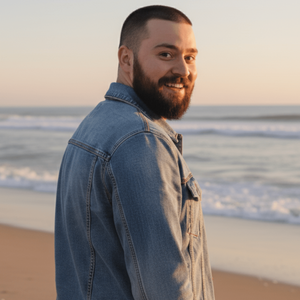
bodies where the knot must bend to contain them. On denim, those crossings
settle into the twill valleys and ride the ridges, making the horses feel
engraved—like the knotwork has been pressed into cloth. It matters because the
symbol holds motion without letting it scatter.
A
shift in mood happens when you compare the knot-horses to the painted pair in
front. The three intertwined horses behind are restrained—graphic, disciplined,
contained by structure. The foreground horses are alive with texture: the large
horse’s coat is rendered in smooth gradients of deep brown, with subtle
highlights catching the planes of the muzzle and cheek; the mane is built from
layered, directional strokes that separate into strands at the ends. The
smaller horse carries sharper contrast, patches of white and charcoal breaking
across the torso, the legs tapered and clean. On denim, those contrast
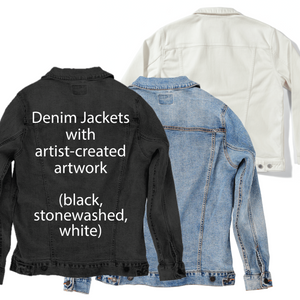
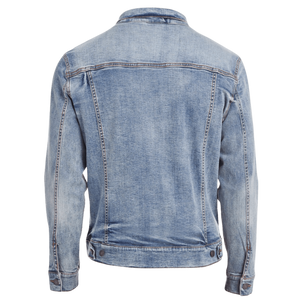
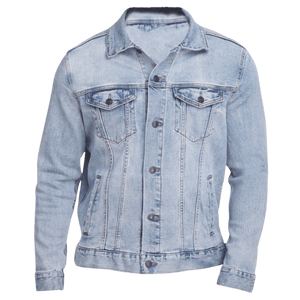
boundaries behave differently: white areas brighten and sharpen on white denim;
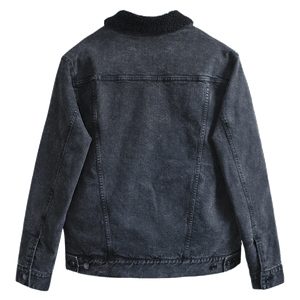
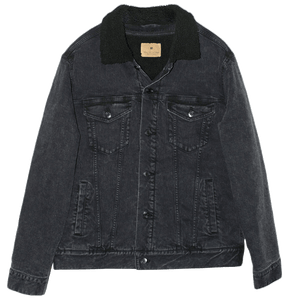
on black denim, they glow like moonlight against night; on stonewash, edges
soften into a lived-in realism. The emotional pulse lives in that
difference—myth behind, embodiment in front.
Color
becomes emotion in the bronze-brown palette. The knotwork reads like carved
wood or aged metal—dark bands with soft smoky fill behind them, giving the
circle depth without clutter. Small triquetra marks appear at points around the
design, punctuating the larger interlace like quiet seals. The dust burst below
turns the bottom of the image into motion—earth rising, scattering, then
settling—an echo of hooves you can almost hear.
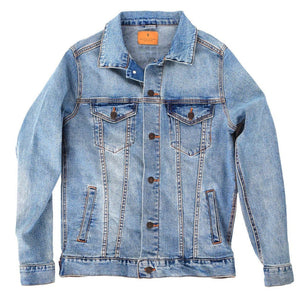
On
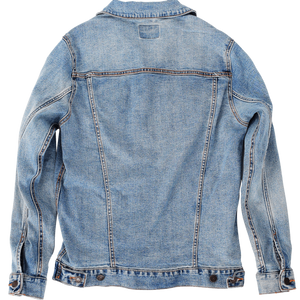
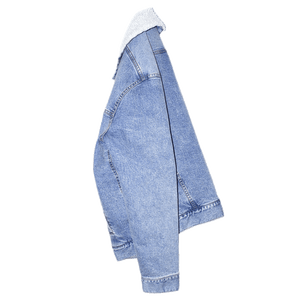
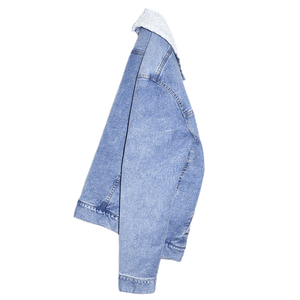
stonewashed denim, the knot becomes atmospheric first. The smoky bronze
field diffuses into the worn grain, and the over-under crossings soften
slightly while the three intertwined horses remain readable because
their silhouettes are clearly drawn within each section. The bronze tones warm
and spread, making the symbol feel older, more talismanic. The large horse head
in front gains a softer realism—highlights blur gently, and the mane’s strand
edges melt into velvety texture. The dust burst embeds into the fabric like
grit caught in cloth, so the motion feels remembered rather than frozen. As the
jacket moves, light breaks unevenly across the knot bands, and the horses
behind seem to shift depth subtly.
Stonewash
turns the piece into folklore—horse-power carried quietly, earth and breath
woven together.
On
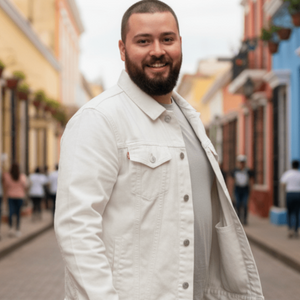
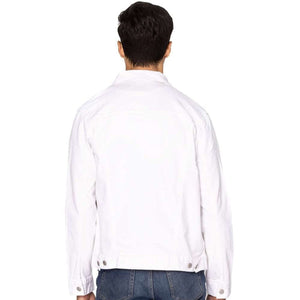
white denim, everything becomes crisp and declarative. The knot’s
over-under logic reads cleanly, and the three intertwined horses are
easiest to count and trace—each one clearly contained in its own triadic
section. The bronze bands feel like inked engraving. The large horse’s blaze
stands out sharply, and the smaller horse’s black-and-white pattern becomes
graphic and striking. The dust burst brightens, individual specks and splatter
marks more visible. This clarity matters because it transforms the artwork into
statement—movement and lineage made unmistakable.
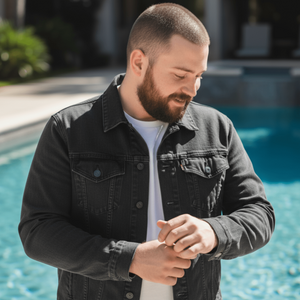
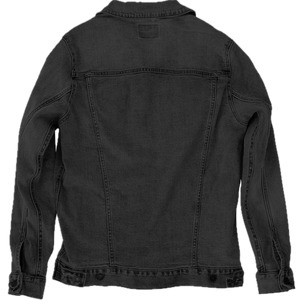
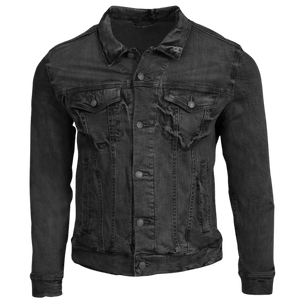
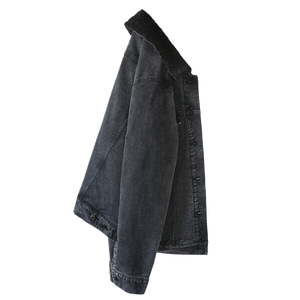
On
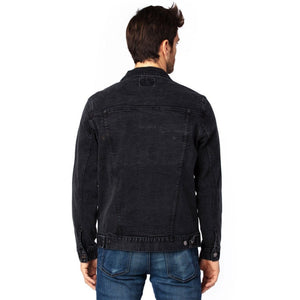
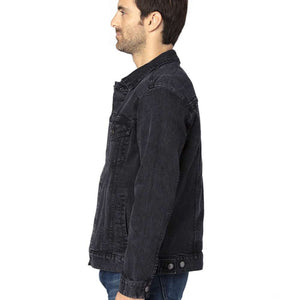
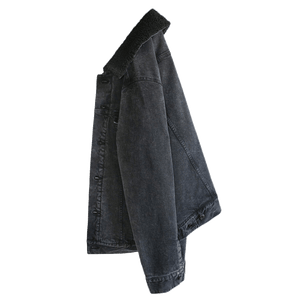
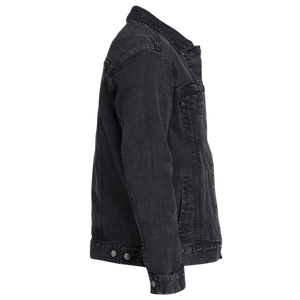
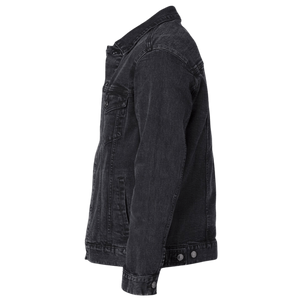
black denim, the scene deepens into something cinematic. The bronze knot
glows against the dark base like a burnished seal, and the three intertwined
horses feel carved into shadow—crossings deepening, loops reading like
channels. The large horse head partially merges into the black, but its
highlights and blaze emerge with intensity, and the mane becomes a dark
waterfall with faint sheen. The smaller horse’s white patches glow against the
darkness, and the dust burst becomes sparks—earth turned to firelight. As the
fabric folds, the knot crossings appear and disappear, and the three horses
inside seem to rotate slowly within the symbol.
On
black denim, the artwork feels like a vow of strength: three horses bound
into knotwork behind two living horses in the present, motion held, power
carried close.