Illustrationof an ornate Celtic mandala centered on a Tudor rose,
rendered in rich gold, red, and green tones. the symmetrical design features
intricate over-and-under Celtic knotwork forming looping arms around the
central rose, with braided borders, triquetra-inspired crossings, and spiral
flourishes. jewel-like red and green accents appear throughout the knots, with
pearl-like nodes embedded in the pattern. set against a clean white background,
the composition reads as embroidered metalwork or illuminated manuscript
ornament. this artwork is titled “Celtic Tudor Rose” and created by artist
Brigid Ashwood
The
artwork “Celtic Tudor Rose” unfolds as a richly layered mandala that merges
heraldic symbolism with ancient Celtic design language. At its heart sits a
stylized Tudor rose, rendered in deep crimson and warm gold tones, radiating
outward with quiet authority. The rose is not merely decorative—it anchors the
entire composition, grounding the surrounding knotwork in ideas of lineage,
endurance, and sacred geometry.
Surrounding
the central rose, elaborate Celtic knotwork expands in perfect radial symmetry.
Each band flows seamlessly over and under the next, creating a sense of eternal
motion and balance. The knot lines feel almost sculptural, as though forged
from illuminated metal or embroidered thread, with subtle dimensional shading
that gives the design a tactile, handcrafted presence.
Interwoven
throughout the knotwork are jewel-like accents—emerald greens, ruby reds, and
pearl-toned nodes—that punctuate the gold framework. These elements act as
visual pauses, drawing the eye inward and outward in rhythmic cycles. The
careful placement of each accent reinforces the mandala’s symmetry while adding
depth and visual weight to the composition.
Leaf-shaped
motifs emerge organically from the knot structure, echoing themes of growth,
renewal, and continuity. These botanical elements soften the geometry, bridging
the natural and symbolic worlds. Their placement suggests a living system
rather than a static ornament, as if the design itself were quietly breathing.
The
outer edges of the mandala are defined by elegant loops and pointed teardrop
forms, some set with gem-like centers that glint against the gold. These shapes
create a ceremonial frame, giving the artwork the feeling of a sacred seal,
talisman, or illuminated emblem preserved from an ancient manuscript.
Despite
its complexity, the composition never feels chaotic. Every curve, crossing, and
spiral is deliberate, measured, and harmonious. The visual rhythm guides the
viewer’s gaze in slow, meditative circles, rewarding close inspection with new
details at every turn.
The
background remains clean and unobtrusive, allowing the intricate knotwork to
command full attention. This clarity emphasizes the craftsmanship of the line
work and color transitions, reinforcing the sense that the design exists
outside of time—rooted in tradition, yet strikingly contemporary.
The
overall effect is one of quiet power and refinement. “Celtic Tudor Rose” feels
ceremonial without being rigid, ornate without being overwhelming. It is both
decorative and symbolic, inviting contemplation as much as admiration.
How this artwork looks on stonewashed
denim
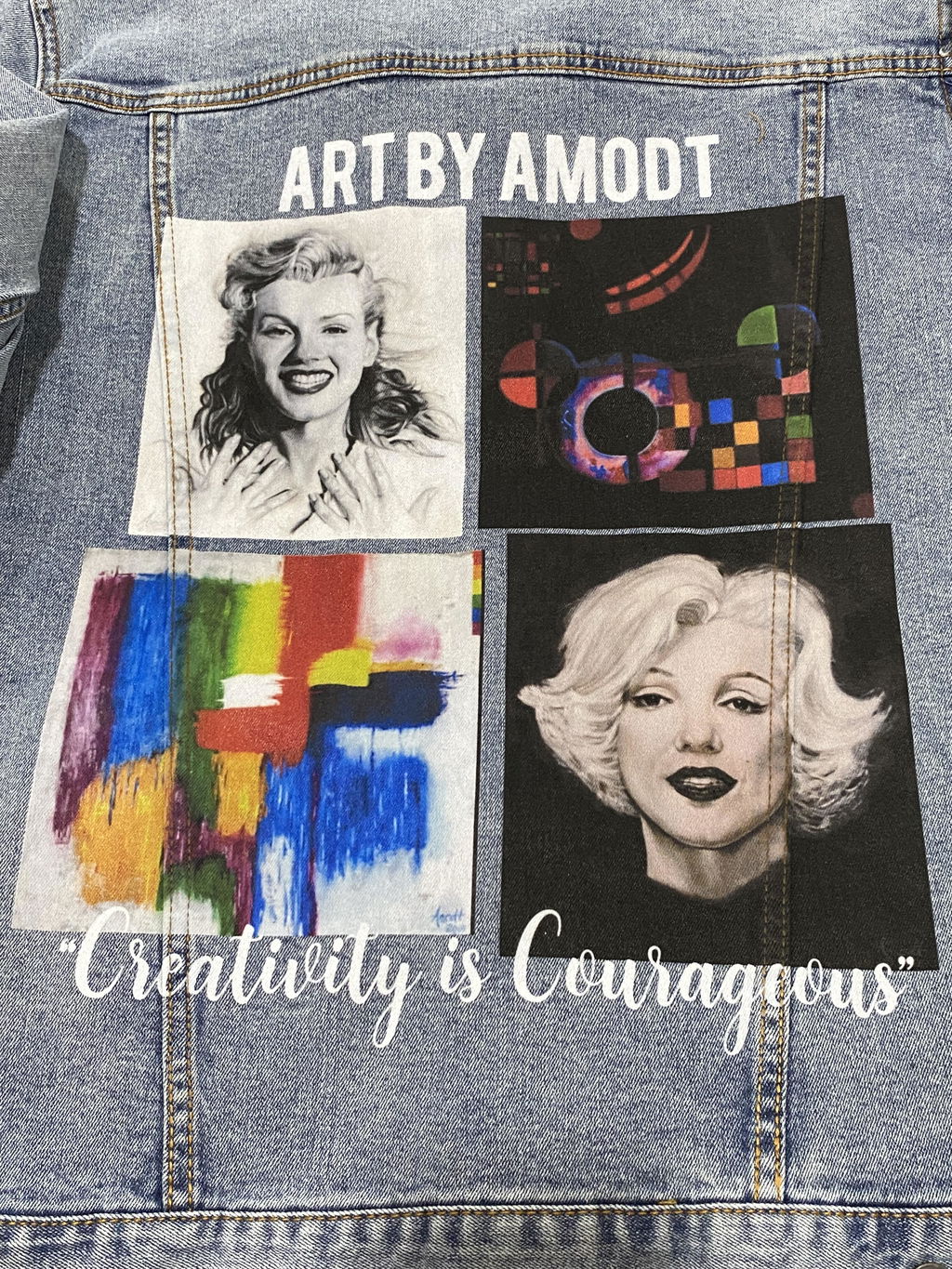
On
stonewashed denim, the artwork takes on a weathered, heirloom quality that
feels deeply aligned with its Celtic roots. The softened blue-gray tones of the
denim interact beautifully with the gold knotwork, allowing the warmer hues to
glow subtly rather than overpower the surface. The stonewashed texture adds
visual depth, making the mandala feel as though it has been discovered rather
than newly printed.
The
crimson Tudor rose gains a slightly muted richness against stonewashed fabric,
reading as aged pigment rather than bright color. This creates a timeless,
almost archaeological effect—like a relic carried forward through generations.
The gentle fading of the denim enhances the organic flow of the knotwork,
giving the entire piece a lived-in, authentic character.
How this artwork looks on white
denim
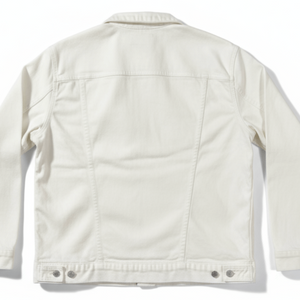
On
white denim, “Celtic Tudor Rose” appears crisp, luminous, and highly detailed.
The gold lines stand out with striking clarity, emphasizing the precision of
the over-and-under knot structure. Every spiral, leaf form, and jewel accent
becomes sharply defined, making this presentation ideal for viewers who
appreciate fine line work and symmetry.
The
red and green accents feel especially vibrant on white, lending the artwork a
ceremonial brightness reminiscent of illuminated manuscripts or stained glass.
The clean backdrop elevates the mandala’s symmetry and gives the design a
refined, gallery-ready presence that feels elegant and intentional.
How this artwork looks on black
denim
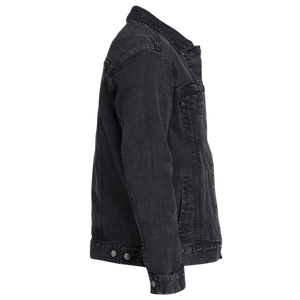
On
black denim, the artwork becomes dramatic, bold, and commanding. The gold
knotwork appears almost metallic against the dark background, creating high
contrast that makes the mandala feel powerful and iconic. The Tudor rose at the
center takes on a jewel-like intensity, glowing with depth and richness.
The
darker fabric amplifies the mystical qualities of the design, transforming it
into something that feels ritualistic and protective—like a sigil or sacred
emblem worn with purpose. The red and green accents read deeper and more
saturated, giving the artwork a striking nocturnal presence that feels both
regal and rebellious.