Illustration
of a rustic wooden cross formed from rough brown branches, adorned with a
lush arrangement of pink and red roses and rosebuds in varying stages of bloom.
Soft green foliage weaves through the flowers, while blue and violet
butterflies flutter and rest along the blooms and edges of the cross. Set
against a clean white background that highlights the wood grain and floral
textures. This artwork is titled “Flower Cross” and created by artist Brigid
Ashwood
You
drift first into the meeting point of wood and bloom, where rough bark and soft
petals occupy the same space without conflict. The cross is built from uneven,
weathered branches, their surfaces split and darkened, grain visible where the
wood twists and narrows. The vertical beam rises taller and more jagged at the
top, while the horizontal beam cuts across with blunt ends, anchoring the form
in weight and age. Nothing about the wood feels polished. It feels handled,
carried, endured.
Then
the flowers arrive, and the mood shifts. Pink roses cluster thickly at the
center of the cross, some fully open with layered petals curling outward,
others still tight in bud, their forms compact and expectant. The brushwork
here is noticeably different from the wood — smoother, rounder, with pigment
layered gently to build softness. Pale blush transitions into deeper rose and
muted crimson toward the centers, where shadows gather between petals. A faint
thickening of paint appears along petal edges, creating shallow ridges that
catch light. On denim, these ridges settle into the twill, breaking the
smoothness just enough to make the flowers feel touchable. It matters because
tenderness becomes physical, not symbolic.
Green
leaves thread through the roses, their shapes elongated and slightly curved,
with darker greens settling near the stems and lighter highlights lifting along
the veins. The leaves don’t form a background; they weave actively through the
bouquet, binding bloom to branch. You can see where stems tuck behind the wood,
then re-emerge on the other side, reinforcing that the flowers are not placed
on top of the cross — they are intertwined with it.
A
new kind of quiet enters with the butterflies. Several blue and violet
butterflies hover and rest around the cross, wings open in varied angles. Some
are mid-air, others pause lightly against petals or wood. Their wings are
thinner in pigment than the roses, with translucent blues fading into soft
purples along the edges. Small dotted markings appear near the wing centers,
and the outlines remain delicate rather than sharp. On fabric, these lighter
pigments lift first, catching highlights as the surface moves. The butterflies
matter because they introduce breath — motion that doesn’t disturb, presence
without weight.
The
composition remains centered and vertical, the cross holding everything steady
while life gathers around it. There is no background scene to distract — the
white space functions like silence, allowing wood, flower, and wing to speak
clearly. The balance between hard and soft, still and alive, feels deliberate
and resolved.
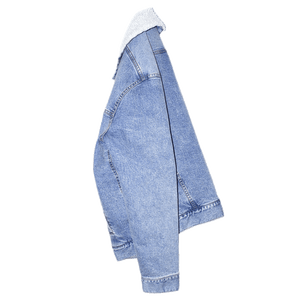
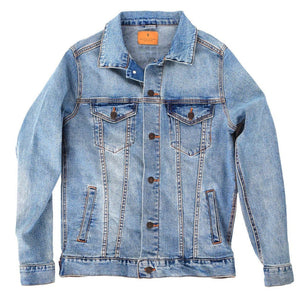
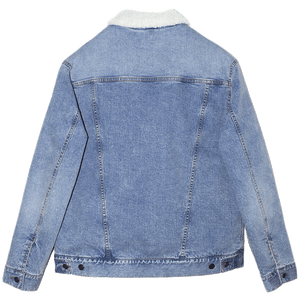
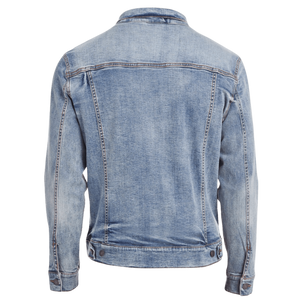
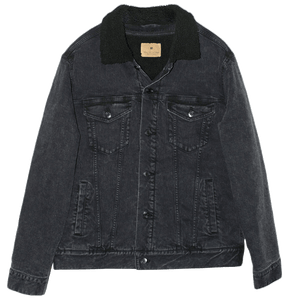
On
stonewashed denim, the roses soften into something remembered. Petal
edges blur slightly as pigment spreads into the worn grain, and the bouquet
feels fuller, less defined, more atmospheric. The bark of the cross becomes
even more tactile, its cracks and shadows deepening as darker pigment settles
into the weave. The butterflies mellow into the scene, their blues diffusing
gently so they feel embedded rather than hovering. As the jacket moves, light
breaks unevenly across petals and wood, giving the impression of slow breath
and quiet continuity.
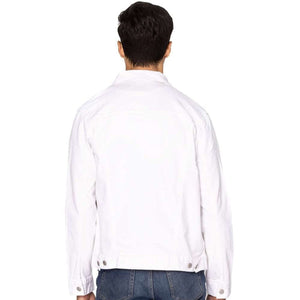
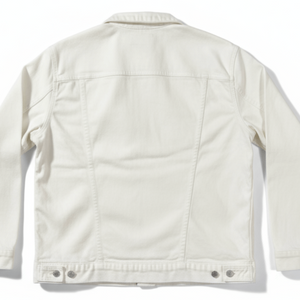
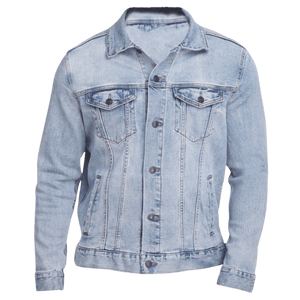
On
white denim, clarity takes hold. Individual petals separate cleanly,
making the layered construction of each rose easy to trace. The contrast
between rough wood and soft bloom sharpens, and the butterflies become crisp
points of motion. This clarity matters because it frames the image as present
and intentional — beauty seen clearly rather than remembered.
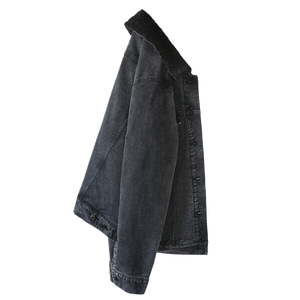
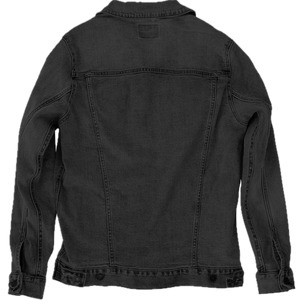
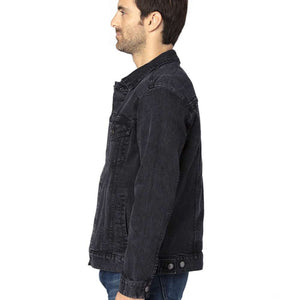
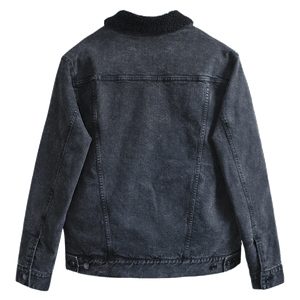
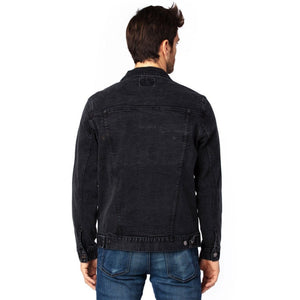
On
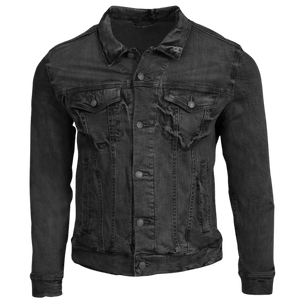
black denim, the artwork turns intimate and reverent. The roses glow
against the dark base, their pinks deepening into jewel tones, while the wood
becomes heavier and more solemn. The butterflies appear like small lights,
their wings catching highlights briefly before slipping back into shadow as the
fabric folds. The cross feels grounded, the flowers protective, the motion
restrained.
In
every version, the meaning stays embodied rather than declared: endurance
softened by life, structure held gently by bloom, and stillness made breathable
by motion.