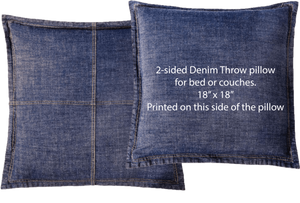
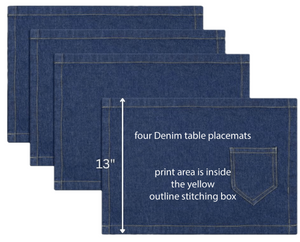
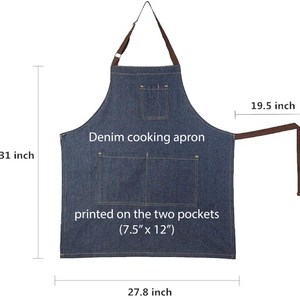
A single peacock feather rendered in abstract mosaic-like segments, curving diagonally across a black background. the feather features layered shapes in teal, emerald green, deep blue, rust, amber, and gold tones. a circular eye pattern sits near the upper center, formed by concentric geometric shapes and dots. the feather shaft is dark and slender, with segmented barbs extending outward. This artwork is titled “Peacock Feather” and is created by Canvas & Quotations (Monika Chugh and Alka Chopra)
You are drawn into the curve of the feather — a slow, deliberate arc that leans diagonally, as if suspended mid-descent. The black background absorbs all surrounding light, allowing the feather to exist without context or horizon. It does not rest on anything. It floats.
At the center of the composition sits the eye of the feather, constructed not as a smooth oval but as a geometric rosette. Small triangular and wedge-like shapes radiate outward from a warm amber core, ringed by darker rust and deep green segments. Dots cluster in short arcs around this center, forming a measured rhythm that feels intentional rather than ornamental. On denim, these clustered shapes would catch light unevenly across the twill, causing the eye to shimmer subtly as the fabric moves. It matters because the focal point never feels fixed — it responds.
From that center, the feather breaks into sections. Barbs extend outward in layered bands, each one built from short, curved segments rather than continuous strokes. Cool tones — teal, emerald, and deep blue — alternate with warm rust and gold, creating balance without symmetry. The edges of each segment are soft and slightly irregular, as if pigment was pressed into textured paper and allowed to settle. On fabric, these edges would sink at different depths, giving the feather a tactile, almost embossed quality. The feather feels assembled rather than drawn.
A shift in mood happens along the spine. The shaft is dark and slender, anchoring the composition while allowing the surrounding forms to fan outward freely. Short dotted chains run parallel to parts of the shaft, echoing the central eye’s rhythm and reinforcing cohesion. The feather does not feel fragile; it feels structured — light carried by intention.
Texture plays quietly throughout. Some segments appear grainy and matte, others smoother and more saturated. The contrast between cool and warm hues creates motion without direction — your eye moves, but it is not told where to go. There is no top or bottom priority, only flow.
There is no text, no symbolic overlay, no narrative setting. The meaning lives entirely in form, color, and balance. The black negative space does not feel empty; it feels like silence that allows color to speak clearly.
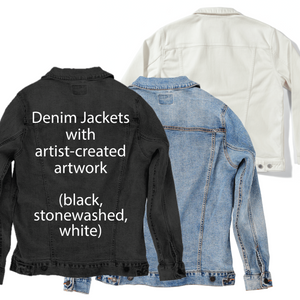
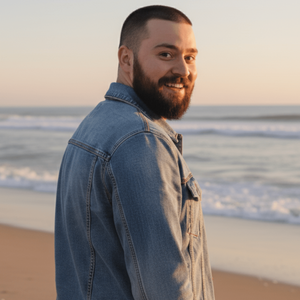
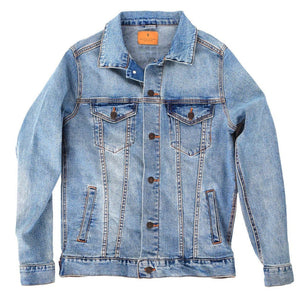
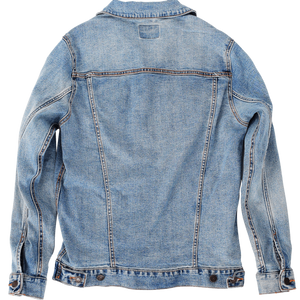
On stonewashed denim, the feather softens into something atmospheric. Edges blur gently as pigment spreads into the worn grain, and the transitions between teal, green, and rust become more organic. The eye at the center feels older here, like a pattern revisited over time. The emotional tone shifts toward reflection and continuity.
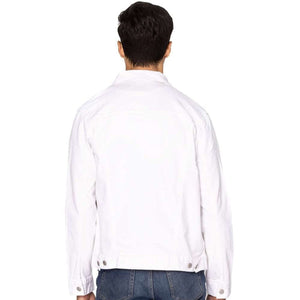
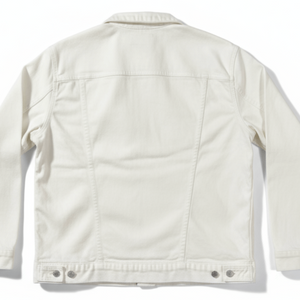
On white denim, clarity takes hold. Each segmented shape separates cleanly, and the geometric structure of the eye becomes easy to trace. The contrast between cool and warm tones sharpens, framing the feather as deliberate design rather than intuition alone. This clarity matters because it presents individuality as intentional.
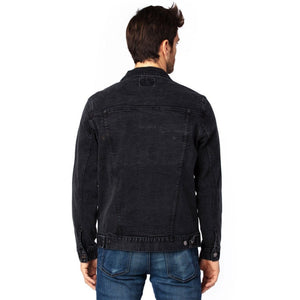
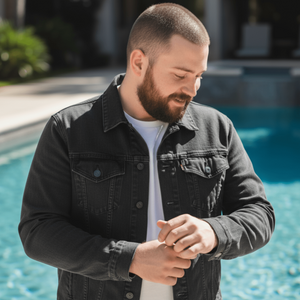
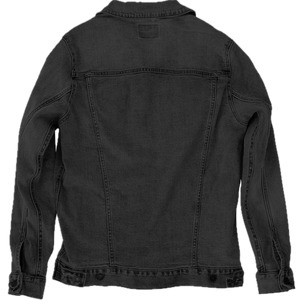
On black denim, the feather feels most alive. The background disappears entirely, allowing the colors to glow forward. Teals deepen, golds ignite, and the dotted rhythms appear and vanish as the fabric folds. The feather feels like motion held in darkness — revealed only when you move.
In every version, the truth remains consistent: a single form built from many pieces — balanced, expressive, and complete without needing to explain itself.