Illustration of A white, cloud-shaped central panel containing black serif text that reads “You are you; choose yourself; you will never outgrow yourself; others will.” surrounding the panel are symmetrical black ornamental botanical forms resembling stylized leaves and seed heads. the background is a textured wash of deep red, rust, charcoal, and smoky gray with soft bleeding edges and grain. This artwork is titled “You Are You” and is created by Canvas & Quotations (Monika Chugh and Alka Chopra)
You drift first into the red — a deep, mottled field of rust, crimson, and charcoal that feels worked into the surface rather than brushed across it. Pigment pools and thins unevenly, leaving cloudy transitions and darker pockets where color has settled and stayed. The background feels active and unresolved, like heat held beneath ash.
At the center, the noise clears.
A pale, cloud-shaped form opens abruptly, its edges feathered and irregular, as if lifted from the surface by pressure rather than cut cleanly away. This light field holds the text, centered and evenly spaced, reading exactly:
“You are you;
choose yourself;
you will never outgrow yourself;
others will.”
The lettering is black, serifed, and steady, with consistent weight and generous spacing. The semicolons slow the reading, creating pauses rather than breaks. On denim, this central white field would remain visually stable while the surrounding reds and blacks compress and release with movement. It matters because the message feels held — protected from the turbulence around it.
Encircling the text are bold black ornamental forms, arranged symmetrically along the lower half and radiating upward at the sides. These shapes resemble stylized leaves, seed heads, and fan-like botanical structures, rendered in solid black with crisp edges. Vertical elements rise from the bottom like stems, each marked with repeating leaf shapes that stack upward in measured rhythm. At the sides, curved forms flare outward, their interior lines echoing growth and expansion. On fabric, these solid black shapes would sink deeply into the twill valleys, anchoring the composition with weight and permanence. They matter because they feel rooted — growth that does not waver.
A shift in mood happens when you notice the contrast between precision and chaos. The ornamentation is clean, deliberate, and balanced. The background is anything but. Reds bleed into grays, blacks cloud into browns, edges dissolve. The center does not try to fix the background; it simply exists within it. The artwork does not promise harmony — it asserts presence.
The composition remains vertically oriented, grounded at the base and opening upward. The ornamental forms frame the text without enclosing it completely, allowing the white space to breathe. There is no crown, no enclosure at the top — the message is not capped. It remains open.
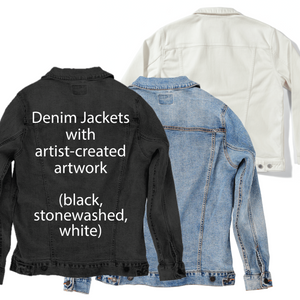
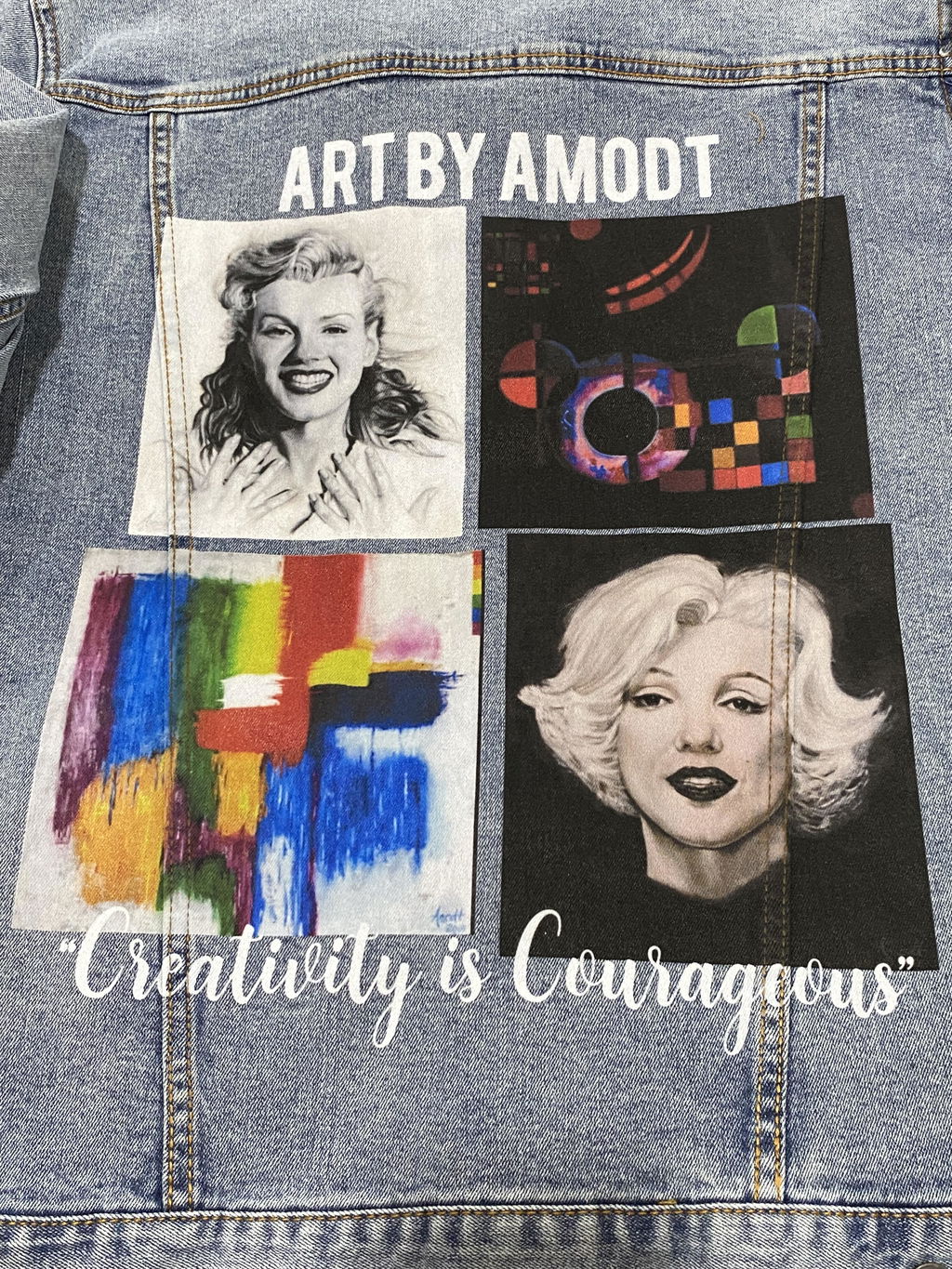
On stonewashed denim, the red background softens into smoky warmth. The white center spreads slightly into the weave, becoming more organic, while the black ornamentation remains strong and legible. The emotional tone shifts toward endurance — choosing yourself again and again over time.
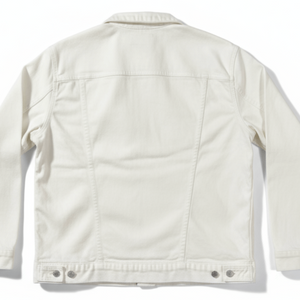
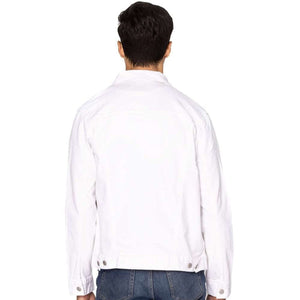
On white denim, clarity takes hold. The contrast between the red field, black ornament, and white center sharpens dramatically. The text becomes immediately legible at distance, and the botanical forms read as intentional structure. This clarity matters because it frames self-choice as an active declaration.
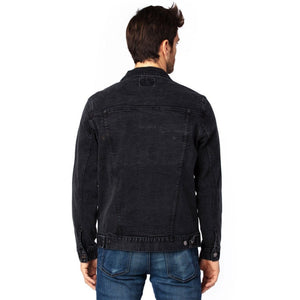
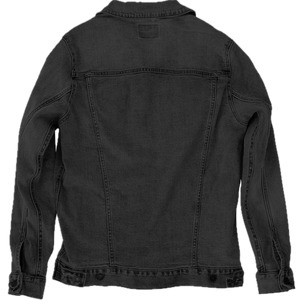
On black denim, the background nearly disappears into the base, allowing the white center and black ornamentation to emerge with stark intimacy. The red tones glow subtly beneath, like heat remembered. The message feels closer, quieter, and deeply personal — something carried, not displayed.
In every version, the truth remains embodied rather than explained: selfhood chosen without apology, growth that does not abandon itself, and a center that holds even as everything else shifts away.